
2026 California Produce Guide for Truckers and Brokers: Seasons, Volumes, Direct Shippers, and Reefer Load Tips

California's produce industry is a powerhouse, generating over $61 billion in agricultural value in 2024 and poised for a robust 2026 with steady to increasing volumes across key crops . For truckers and brokers specializing in reefer freight, this means lucrative opportunities in high-perishability loads from regions like Salinas Valley, Oxnard, San Joaquin Valley, and Imperial Valley. With refrigerated capacity tightening mid-spring through summer, understanding 2026 produce seasons, volumes, handling requirements, and direct shipper leads can turn spot-market gambles into planned, profitable runs.
This guide dives into the top crops—strawberries, lettuce, avocados, tomatoes, watermelons, and melons—based on the latest USDA and CDFA data as of February 2026 . We'll cover harvest timelines, volume outlooks, temperature management, top shippers for direct relationships (bypassing brokers for 20-30% better margins), and logistics tips to minimize deadheads and claims. Whether you're an owner-operator hauling reefers or a broker building dedicated lanes, aligning your operations with California's rolling harvest calendar is key to maximizing revenue in a balanced but produce-heavy market.
Strawberries: The Spring Rush Starter and Reefer Rate Booster
Strawberries kick off California's high-stakes produce season, dominating 90% of U.S. supply from anchor regions like Watsonville, Salinas, Oxnard, and Santa Maria . Harvest starts in early April in Oxnard and Santa Maria, ramping up through May in Watsonville and Salinas, with peaks from mid-April to late June (some extending into July in normal years).
2026 Volume Outlook: Expect strong, steady volumes with acreage supporting an aggressive spring push. Recent reports show high six-figure tray counts already in late January 2026, signaling record highs—potentially exceeding 11 million trays weekly at peak . This follows a 6% acreage increase in prior years and resilient varieties minimizing weather losses, valuing the crop at around $3.46 billion based on 2024 trends .
Perishability and Handling: Extreme perishability makes strawberries prime claim territory. Set reefers to 32-34°F on continuous run with high airflow to prevent condensation and mold. Pre-cool trailers, verify pulp temps at dock, and limit door openings. Require downloadable logs and FSMA docs for vetting.
Top Direct Shippers (Cold-Call Traffic Managers for Loads):
- Driscoll’s (Watsonville): 831-763-5000, Global leader with constant reefer demand.
- California Giant Berry Farms (Watsonville): 831-728-1773, nchappell@calgiant.com – Heavy spring volumes.
- Naturipe Farms (Salinas/Watsonville): Premium branded with multi-stop programs.
- Strawberry Hill U.S.A. (Oxnard): Early-season specialist.
- Carlsbad Strawberry Company: Southern California powerhouse.
- Gourmet Trading Company: Premium retail packs.
- Beachside Produce: Diversified berry shipper.
- Betteravia Farms (Santa Maria): Central Coast reliability.
- Family Tree Farms: Organic leader for higher rates.
- Wish Farms: Strong California ties.
Load Tips for Truckers and Brokers: Position in Oxnard-Santa Maria in April and Watsonville-Salinas in May-June for seller's market outbound reefers. Multi-stop from fields to DCs pays $4.50/mile+ at peak . Stack with compatible produce to cut deadheads; avoid mixing with warmer items. Brokers: Tighten carrier vetting for temp-proof hauls to DCs in LA or the Midwest.
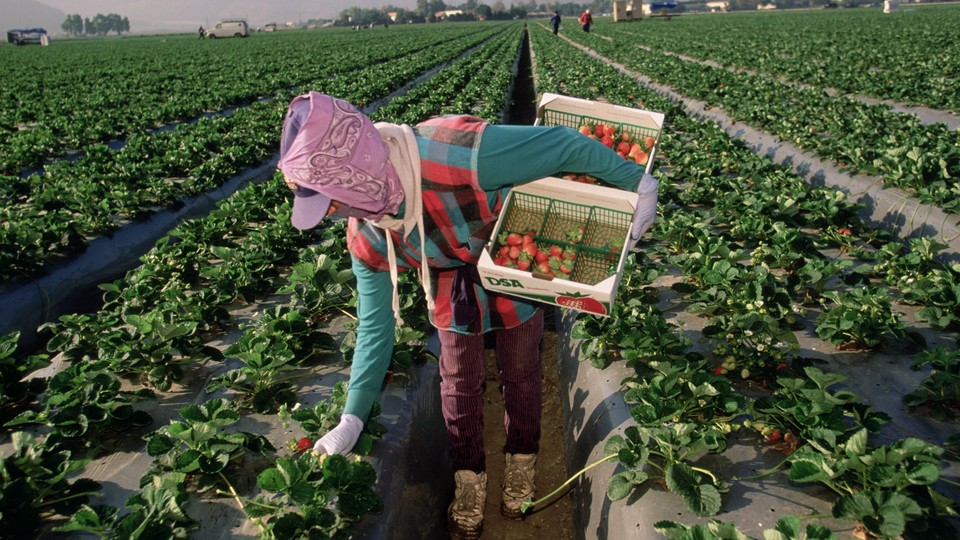
Workers harvesting strawberries in California fields, showcasing the labor-intensive process that demands fast trucking turnaround.

A close-up of strawberry pickers in Santa Maria, highlighting the fragile nature of this high-value cargo.
Lettuce: The Year-Round Backbone for Steady Reefer Freight
Lettuce, including romaine, iceberg, and mixed leaves, is California's "rent-payer" crop, providing consistent volumes from the Salinas Valley ("Salad Bowl of the World") and shoulder-season desert programs . It features a double-peak: spring (March-June) and fall (October-December).
2026 Volume Outlook: Entering from a stable base post-flood and disease recovery, expect steady volumes without shock increases. Valued at $3.67 billion in 2024, with over 173,400 acres harvested across types, 2026 should maintain this, focusing on consistency .
Perishability and Handling: High perishability—wilts or browns quickly. Set reefers to 34-40°F with steady airflow to avoid freeze damage. Field-packed loads require fast turns; document sanitation, pre-cool, and seals for retail QA.
Top Direct Shippers:
- Dole Fresh Vegetables (Salinas): Huge packaged salads to national DCs.
- Taylor Farms (Salinas): Massive value-added kits with recurring needs.
- Fresh Express (Salinas/Yuma): Bagged mixes, truckload volumes.
- Tanimura & Antle: Premium field-packed.
- Earthbound Farm: Organic leaf mixes.
- Mann Packing (Del Monte): Romaine focus.
- Nunes Family Farms: Iceberg pros.
- Coast Produce: Multi-stop regional.
- Royal Rose: Specialty radicchio.
- Classic Salads: Pre-washed retail.
Load Tips: Ideal for contract lanes into grocery DCs, paying $2.80/mile on repetitive runs. Truckers: Prep for tight appointments; brokers: Lock in on-time carriers for foodservice networks. Stack with other salads to optimize trailer use.
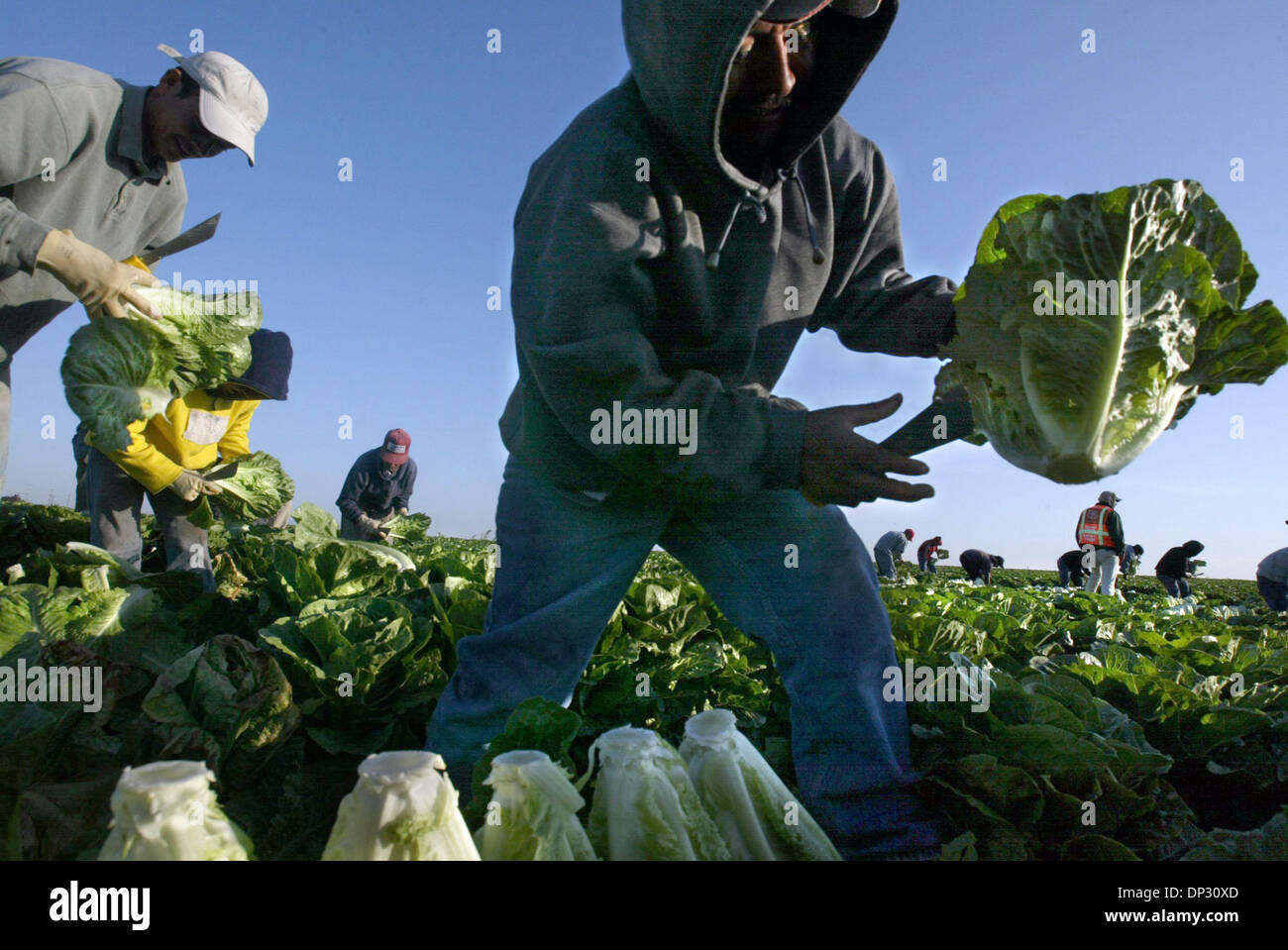
Farm workers harvesting romaine lettuce in Salinas Valley, a back-breaking job that fuels steady freight demand.
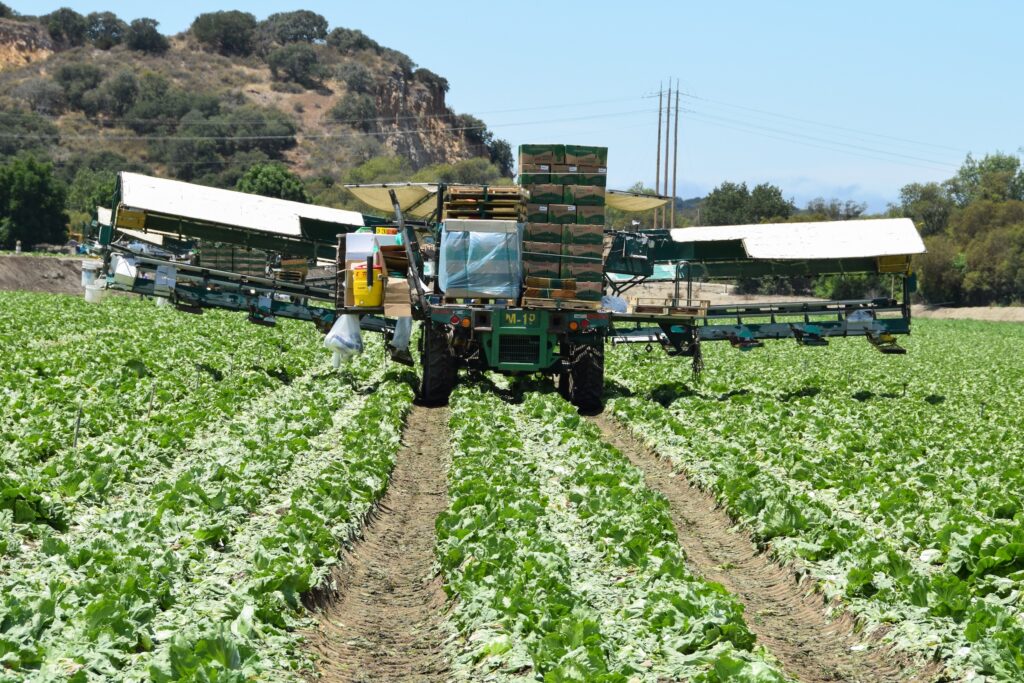
Mechanized harvest in the Salad Bowl, showing how tech integrates with traditional trucking needs.
Avocados: Post-Merger Stability for Year-Round Plays
Avocados offer longer shelf life and mode flexibility, with Hass dominating from Ventura and San Diego counties, supplemented by Mexico-linked networks . Promotable volumes peak April-August, but year-round demand persists.
2026 Volume Outlook: The California Avocado Commission forecasts 330 million pounds, the third straight year above 300 million, with 51,000 productive acres and ongoing plantings . Consolidation like Mission-Calavo merger (closing 2026) promises more predictable tenders .
Perishability and Handling: Medium—sensitive to swings but with margin. Reefers at 40-45°F; some loads suit protected flatbeds for short hops. Pulp-temp targets vary by ripeness.
Top Direct Shippers:
- Mission Produce (Oxnard): 805-981-3650 – Advanced ripening centers.
- Calavo Growers (Santa Paula): Post-merger powerhouse.
- West Pak Avocado (Murrieta): Southern corridor leader.
- Henry Avocado (Escondido): 760-745-6632, phil@henryavocado.com.
- McDaniel Fruit: Specialty hauls.
- Del Rey Avocado: Packing pro.
- Index Fresh: Exports and steady supply.
- Eco Farms: Organic logistics.
- Cal Ranch: Ventura regional.
- Avocados From Mexico (Cali base): Cross-border mixes.
Load Tips: Great for multi-origin/destination consistency, paying $3.20/mile. Truckers: Leverage drop-and-hook; brokers: Target integrated distribution for higher volumes.
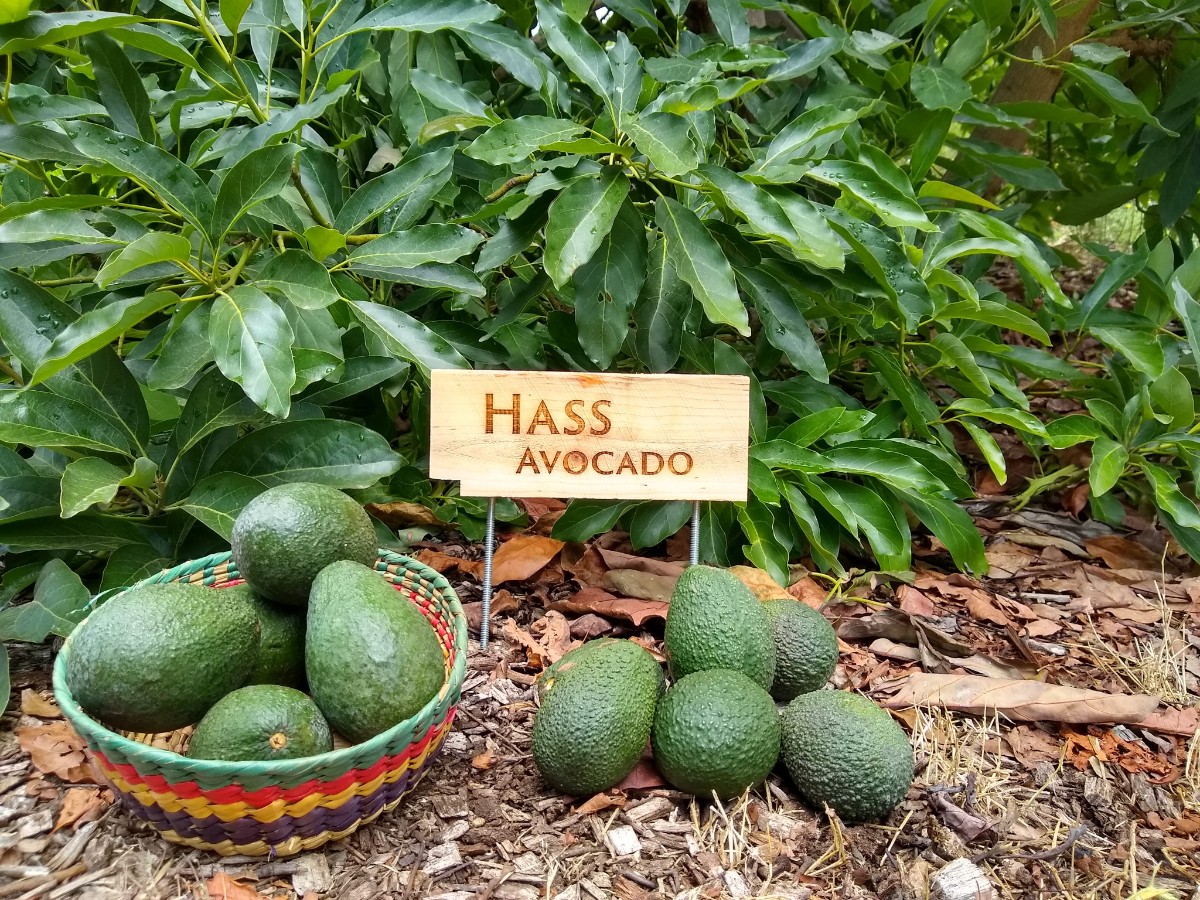
Hass avocados ready for harvest in Southern California, a staple for year-round reefer runs.

Avocado trees in the Central Valley, illustrating expanding production areas.
Tomatoes: San Joaquin Valley's Intense Summer Surge
Fresh and processing tomatoes center in San Joaquin Valley (Fresno, Modesto), defining July-September freight . Peak shipping mid-July to mid-September.
2026 Volume Outlook: Rebound expected, but processing contracts down 11% to 9.8 million short tons from 185,000 acres (yield 53 tons/acre) . Fresh market holds at ~$1.64 billion based on 2024 .
Perishability and Handling: High—bruise easily. Reefers at low-to-mid-30s°F per specs; watch chilling injury.
Top Direct Shippers:
- San Joaquin Tomato Grower (Crows Landing): Direct valley runs.
- Ace Tomato (Fresno): Processing focus.
- Lipman Produce: Ties to fresh.
- NatureSweet: Greenhouse stability.
- Delta Packing: Mixed tomatoes.
- Live Oak Farms: Valley big.
- JBJ Distributing: Fresh specialist.
- Pacific Tomato Growers: Romas.
- Gargiulo: Heirlooms.
- Sun World: Specialty.
Load Tips: Short, intense windows with shifting volumes; $2.50/mile+ for heavy loads. Plan tight appointments; stack to reduce dead miles.
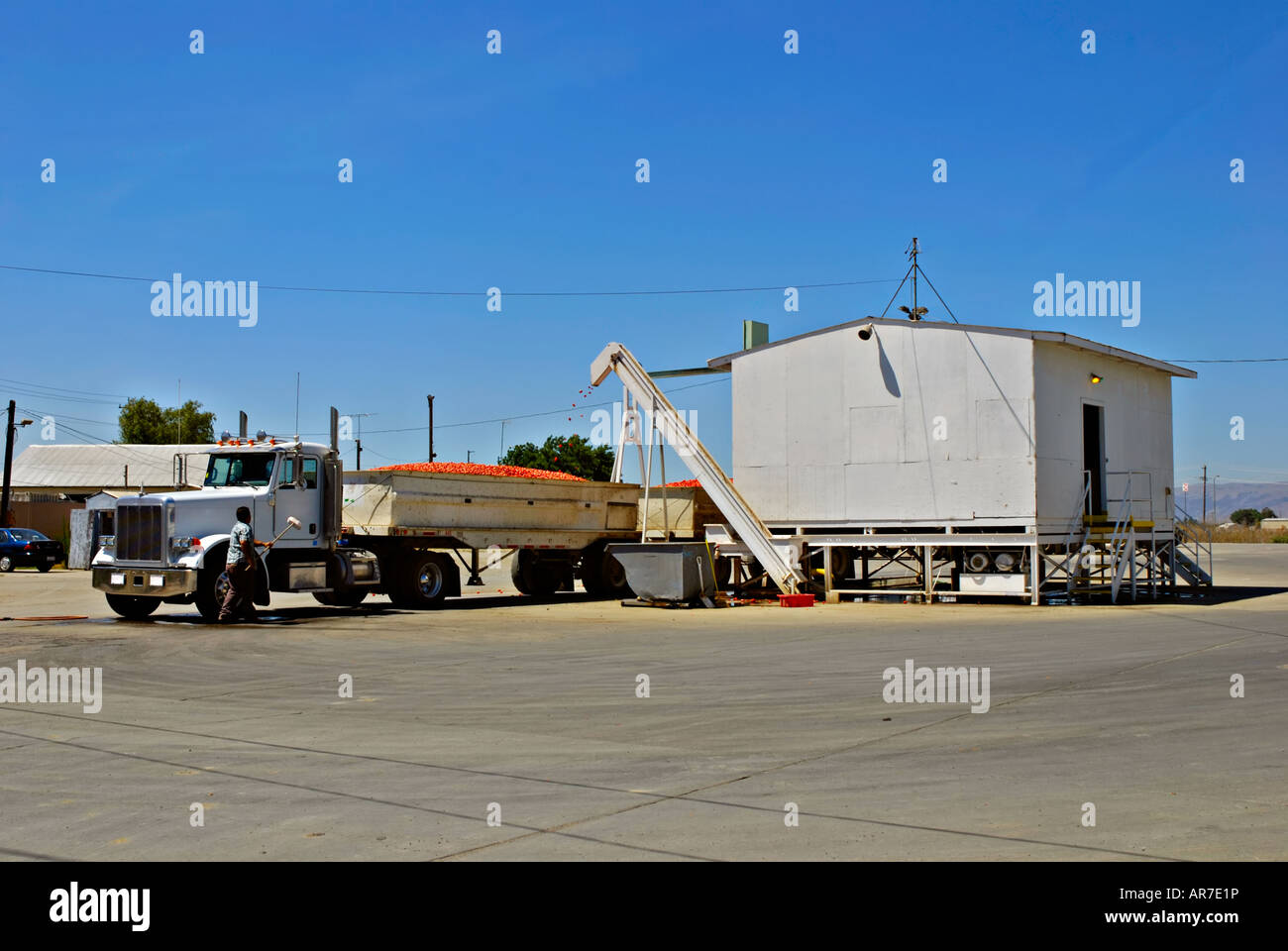
Tomatoes being loaded onto trucks at a San Joaquin processing plant, ready for reefer transport.
Watermelons: The Imperial Blast for Eastbound Hauls
Imperial Valley's watermelons drive short surges, peaking June-July (late spring start) .
2026 Volume Outlook: Slight uptick from 2024's 5.44 million CWT on 12,800 acres; rain-aided recovery suggests steady or higher .
Perishability and Handling: High—soft rinds prone to mold. Reefers at mid-40s°F with ventilation.
Top Direct Shippers:
- Martori Farms (Holtville): Organic massive.
- Five Crowns Marketing (Bakersfield): Seedless kings.
- Dulcinea Farms: Sweet seedless.
- Fresh Pro: Premium year-round.
- Tanaka Farms (Irvine): Local crisp.
- Pacific Trellis Fruit: High-volume.
- Creekside Organics: Organic.
- Legend Produce: Kiss varieties.
- Sun World: Specialty.
- Index Fresh: Exports.
Load Tips: Position empty reefers in SoCal for eastbound blasts via I-8/I-10 to Phoenix/Texas, punching above average rates ($2.50/mile heavy).
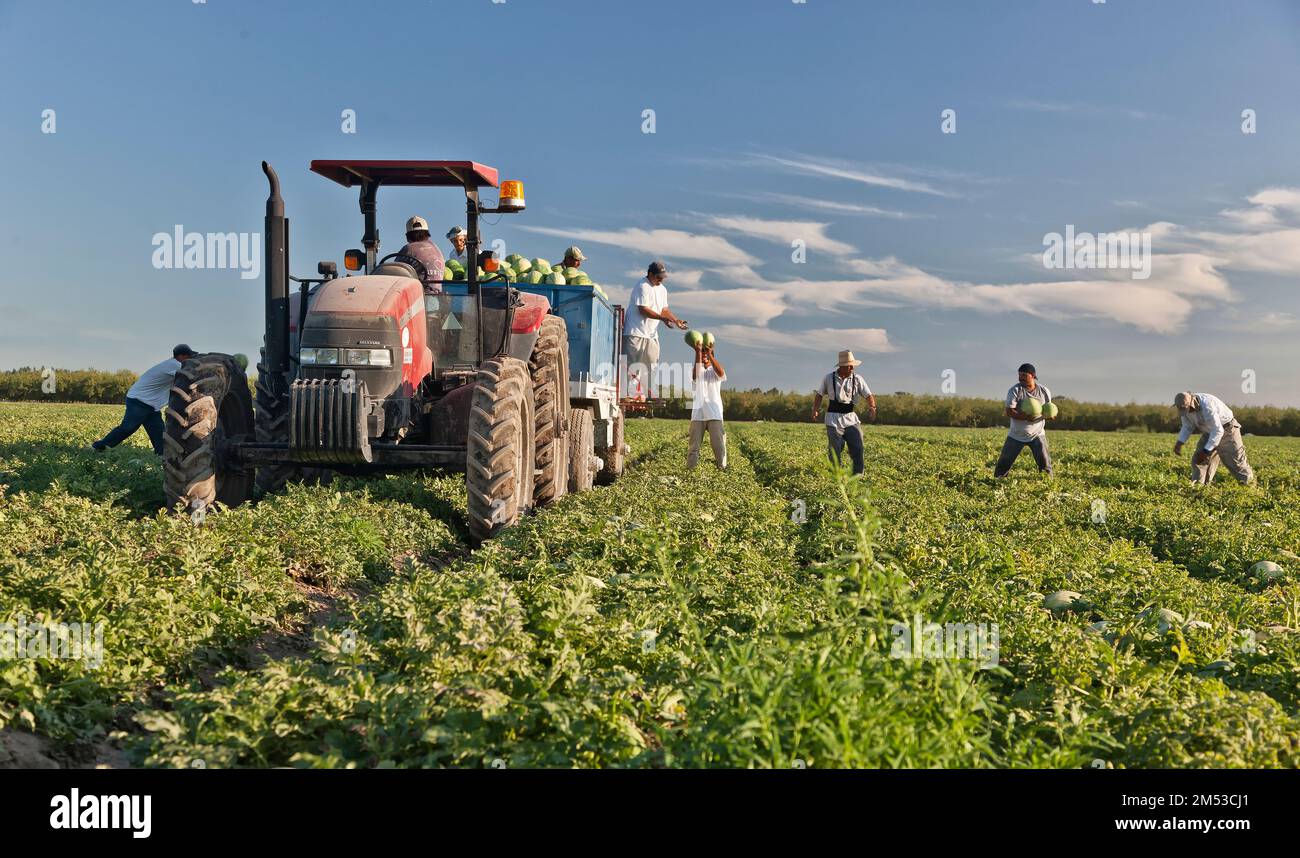
Hispanic workers harvesting watermelons in California, loading trailers in the field.
Melons (Cantaloupe & Honeydew): Shoulder-Season Fillers
Cantaloupes peak June-September from Imperial/San Joaquin; honeydews July-October.
2026 Volume Outlook: Steady—cantaloupe firm, honeydew lighter early but picking up; overall demand growing .
Perishability and Handling: Medium-high. Reefers at 40-45°F; watch soft spots.
Top Direct Shippers:
- Martori Farms: Biggest melon grower.
- Pacific Trellis/Dulcinea: High-flavor cantaloupes.
- Tanaka Farms: Crisp honeydews.
- Creekside Organics: Organic.
- Legend Produce: Sugar Kiss.
- Turlock Fruit: Valley cantaloupes.
- Fresh Pro: Mixed.
- Pura Vida Farms: New entrant.
- Index Fresh: Steady.
- Sun World: Varieties.
Load Tips: Bridge loads between berries and tomatoes; multi-stop combos cut deadheads, paying well in summer.

Cantaloupes on the vine in San Joaquin Valley, ready for harvest.

Stacked cantaloupes at market, emphasizing the bulk nature of melon freight.
Core California Produce Corridors: Highways That Move the Freight
Plan around major arteries: I-5 (north-south backbone for Salinas to LA), SR-99 (valley workhorse for Fresno tomatoes/melons), US-101 (coastal for berries/lettuce), I-10/I-8 (east-west for Imperial blasts). Match to crops: 101/I-5 spring, SR-99/I-5 summer, I-8/I-10 melons.
| Corridor | Primary Regions | Core 2026 Crops | Best Months |
|---|---|---|---|
| US-101 | Oxnard, Santa Maria, Watsonville, Salinas | Strawberries, lettuce | April-July |
| I-5 | Central Valley, SoCal hubs | Mixed, tomatoes, melons | April-September |
| SR-99 | Fresno, Modesto, Bakersfield | Tomatoes, melons | July-September |
| I-8/I-10 | Imperial Valley to AZ/TX | Watermelons, melons | May-July |
Playbook: Maximizing 2026 for Truckers and Brokers
- Build Direct Relationships: Prospect shippers early with capability sheets (reefer specs, temp tech, safety scores). Direct wins smooth cash flow.
- Stack Seasons: Spring strawberries/lettuce, summer tomatoes/melons/avocados, fall lettuce. Use spreadsheets for truck positioning.
- Minimize Deadheads: Design multi-stops within temp bands; hop 20-40 miles in clusters.
- Enforce Temp Discipline: Written BOL instructions, telematics monitoring, pulp temps—critical under FSMA 204 .
- Price Smart: Raise floors in hot spots (e.g., May Watsonville); reference calendars over past rates.
Comments
Post a Comment